Understanding the Differences Between 10, 20, 30, 40, 50 and 80 Year Old Tawny Ports

Huge casks to help the wines oxidate even faster
Tawny Port is one of the most expressive categories in the world of fortified wine. It tells a story that unfolds through time, moving from bright and nutty youthfulness to deep, concentrated layers of dried fruit, spice and caramelised character. The age indication on a Tawny is not simply a number. It is a sensory promise. A signal of style. And thanks to the Instituto dos Vinhos do Douro e Porto (the IVDP), these styles are strictly regulated so that you always know what to expect when you open a bottle.
Below we guide you through the key differences, the flavour evolution, how master blenders keep the style consistent, which houses excel, when to drink aged Tawnies, and what to pair them with. Finally, you will find practical advice on storage with direct links to the main style pages on PRTwine.com.
Why These Age Categories Exist
A short look at the IVDP and the evolution of Tawny regulation
The IVDP is the governing body responsible for quality control, certification and regulation of all Port wines. Decades ago, producers were already ageing Tawnies for various lengths of time, but the ageing terminology was not standardised. In the nineteen sixties, the IVDP officially introduced age indicated Tawny categories, which allowed consumers to understand and compare flavour styles with confidence.
For many years there were four categories:
• 10 years old
• 20 years old
• 30 years old
• 40 years old
In 2022 the IVDP added two new classifications: the 50 years old Tawny and the extremely rare 80 years old Tawny. These additions acknowledge the incredible stocks some producers have and open a new chapter for premium aged Port.
These categories are not exact ages. They are average style profiles. A 20 year Tawny could contain wines older or younger, but the final blend must taste like the official 20 year profile as defined and approved by the IVDP.
What is the Key Difference Between the Ages
The simple explanation
The higher the age indication, the deeper the oxidation and the more concentrated and complex the flavour. Younger Tawnies show more fruit. Older ones show more spice, nuts and caramelized layers, but the masterblender tries to keep the perfect balance between acidity, sweetness and body.
The professional explanation
Age indicated Tawnies are created through long term oxidative ageing in seasoned wooden barrels. Over time, colour fades, sugars concentrate, water evaporates (the famous angel share), and flavours shift from fresh fruit towards dried fruit, nuts, spice and toffee. Texture becomes silkier and acidity becomes more pronounced.
Here is what you can generally expect across the range.
How 10, 20, 30, 40, 50 and 80 Year Old Tawnies Taste
Flavour evolution (keeping in mind every house has its own signature)
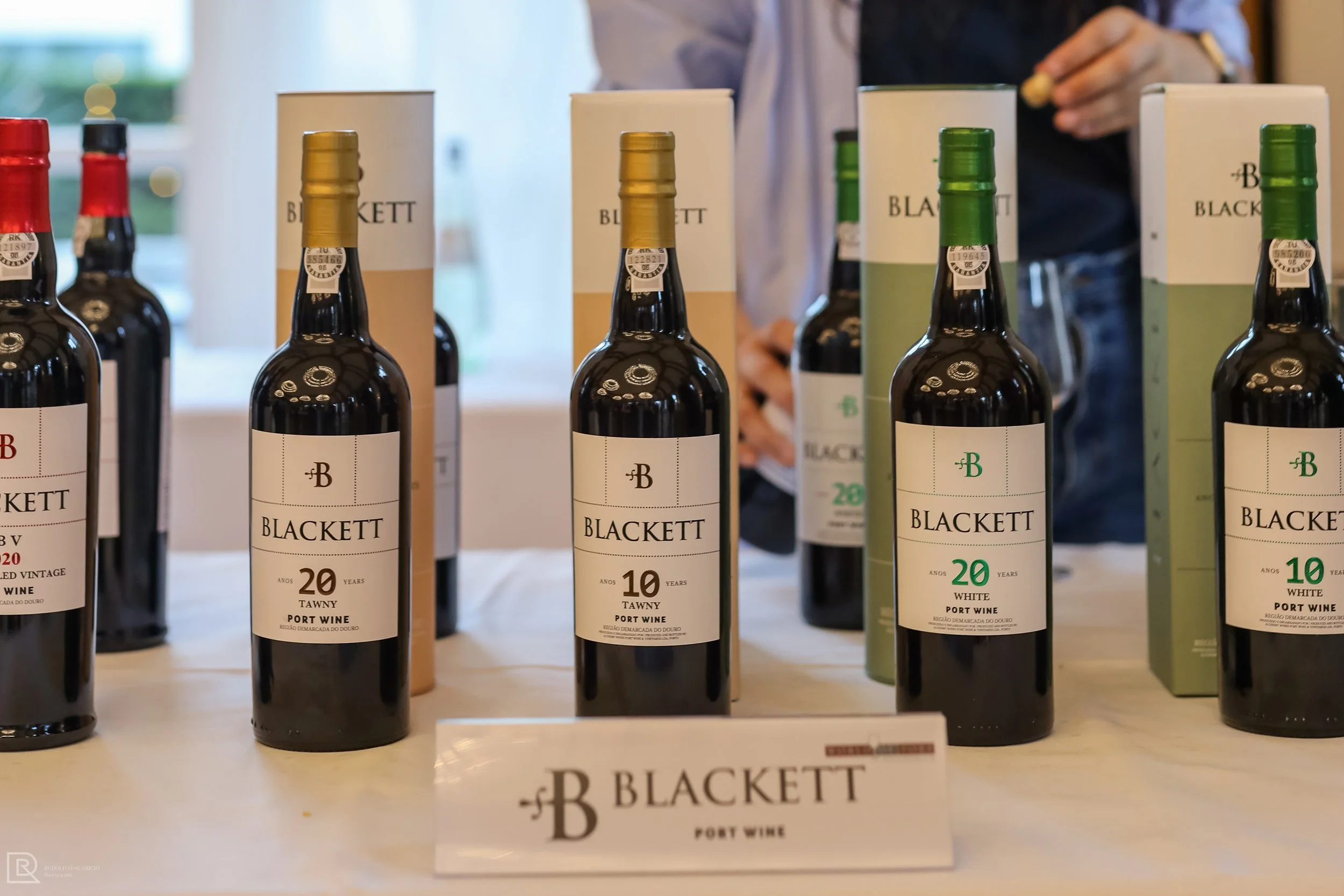
Nice line-up of Blackett Aged Tawnies (red and white grapes)
10 years old Tawny
Style: approachable, fresh, nutty.
Flavours: dried apricot, light caramel, toasted almond, orange peel.
Best for: casual sipping, cocktails, lighter desserts.
20 years old Tawny
Style: the sweet spot for many drinkers.
Flavours: richer caramel, hazelnut, toffee, dried fig, warm spice.
Texture becomes rounder, finish becomes longer.
Best for: cheese boards, nut based desserts, winter evenings.
30 years old Tawny
Style: deeper intensity and more oxidative complexity.
Flavours: walnut, cedar, burnt sugar, molasses, dried citrus, butterscotch.
Acidity is brighter, giving tension and length.
Best for: reflective sipping experiences and fine dining desserts.
40 years old Tawny
Style: concentrated, rare, profound.
Flavours: dark caramel, tobacco leaf, roasted nuts, aged wood, exotic spices.
The texture becomes incredibly silky with a long finish.
Best for: celebrations and gifting.
50 years old Tawny
Style: new category, astonishing depth.
Flavours: very old wood notes, crystallised citrus, antique spice cabinet, dark honey, cocoa, candied walnut.
Often a near perfect balance of sweetness, acidity and concentration.
Best for: collectors, milestone birthdays, luxury tastings.
80 years old Tawny
Style: liquid history.
Flavours: incredibly intense with medicinal spice, resin, balsam, concentrated caramel, ancient wood tones.
These are tiny releases and almost emotional to taste.
Best for: once in a lifetime moments.
How Master Blenders Keep the Style the Same Every Year
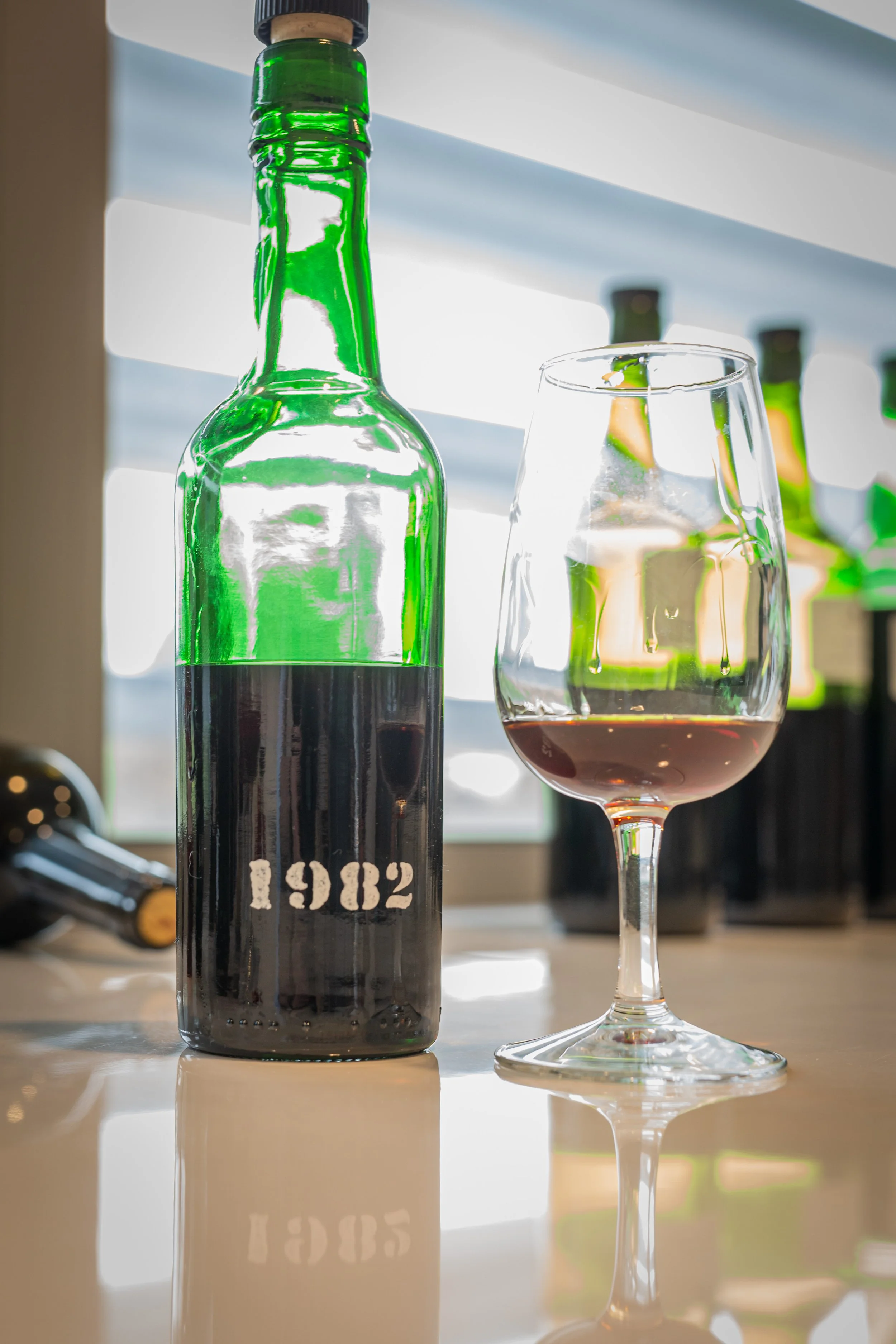
Colheita port wine from 1982 for blending options
Age indicated Tawny is not vintage based. It is style based. This is where the magic of the master blender comes in.
Blenders maintain large reserves of aged barrels, often hundreds of different components. Every year they taste through these reserves and build a blend that matches the target profile.
Their tools include:
• blending wines of different ages
• adjusting with higher acidity young Tawny for freshness
• adding older stocks for depth and aroma
• precise tasting sessions to match previous years
The final blend is submitted to the IVDP for certification. Only after approval can it be bottled with the official age indication. This ensures that a Taylor 20, Graham 20 or Kopke 20 always tastes like the brand’s signature style, year after year.
The Top Ten Houses for Aged Tawny Port


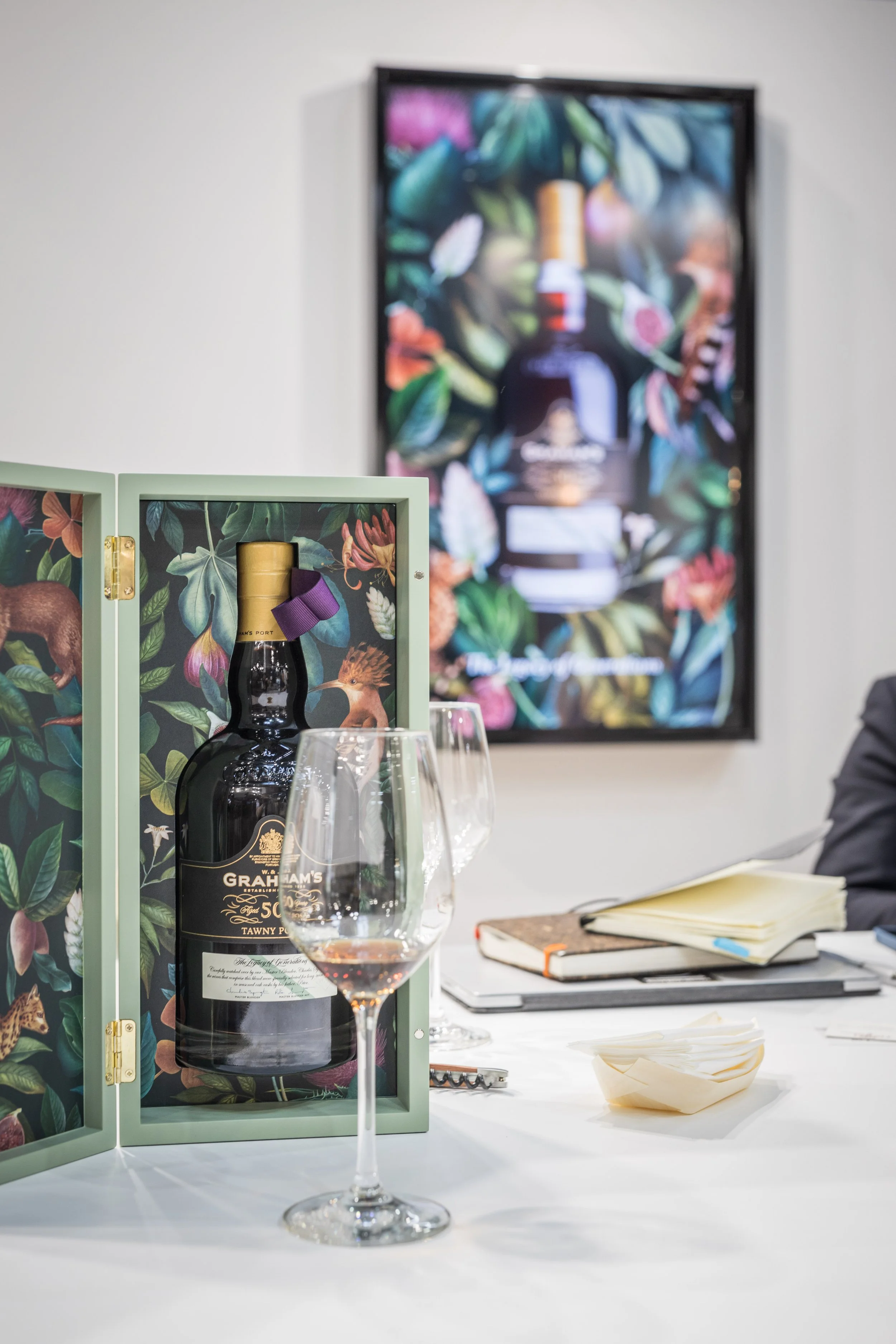
There are many excellent producers, but these ten consistently deliver outstanding aged Tawnies.
Each of these houses has its own character. Kopke is known for precision and dried fruit elegance, Niepoort for tension and acidity, while Taylor and Graham offer benchmark richness and structure.
When to Drink Aged Tawnies
Good news. Aged Tawny does not require long cellaring at home. It is ready to drink when bottled.
Perfect moments include:
after dinner in place of dessert
with cheese boards
during winter holidays
as a contemplative glass at the end of the evening
for birthdays and anniversaries (20 for a twentieth, 50 for a fiftieth)
chilled by the pool for a refreshing summer experience (especially 10 and 20 year)
Aged Tawnies are also incredibly popular for gifting because the number on the label often matches a milestone age.
What to Pair Aged Tawnies With
10 years
Fruit tarts, apple pie, caramelised nuts, creamy blue cheese, pâté, lighter chocolate desserts.
20 years
Triple cream cheese, aged cheddar, pecan pie, crème brûlée, berry desserts, nut based pastries.
(You can link this to your Port and cheese pairings article.)
30 years
Roquefort, walnut cake, chestnut desserts, figs, dark chocolate with sea salt.
40 years and above
Very fine chocolate, burnt sugar desserts, nut brittle, aged Gouda, quiet evenings.
How to Store Aged Tawny Port
(link text is designed to naturally point readers back to PRTwine)
Aged Tawny is one of the easiest wine styles to store at home.
Before opening
• Store upright in a cool, dark place
• Avoid heat spikes
• No need for a cellar
After opening
Keep the bottle upright
Refrigerate for freshness
Enjoy within 3 to 6 weeks depending on age
Older Tawnies keep even longer due to higher oxidative stability.
Compared to Ruby or Vintage Port, Tawny is remarkably stable because it has already lived decades in contact with oxygen.
Understanding these age categories helps you choose confidently. Whether you are enjoying a 10 year Tawny poolside, gifting a 20 year for a birthday, opening a contemplative 30 or 40 year after dinner, or exploring the new 50 and 80 year categories for a rare moment, each bottle tells a different story of time and transformation. And with the guidance of the IVDP and the work of skilled master blenders, you can rely on a consistent flavour profile every time you open a bottle.