

Tawny Reserve
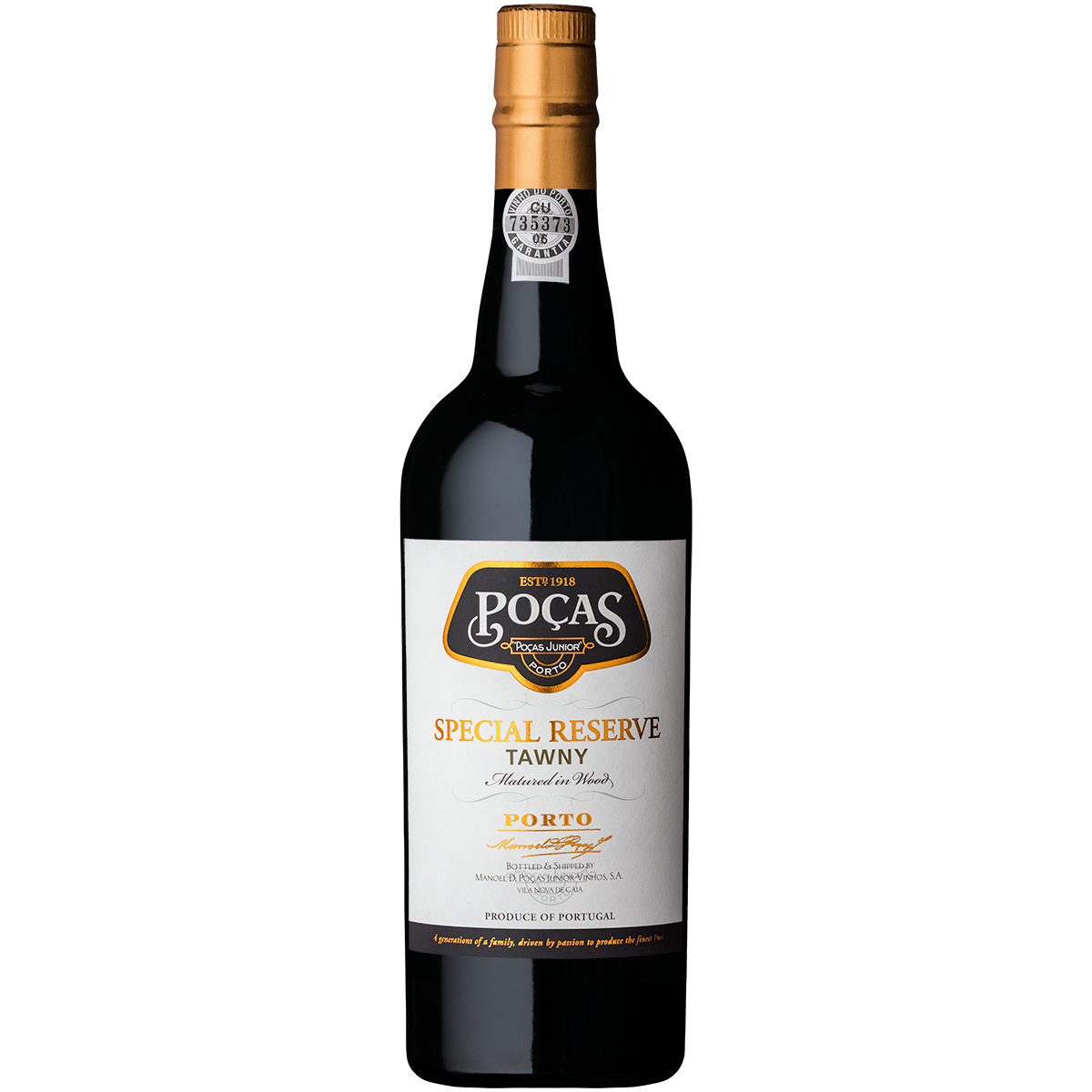
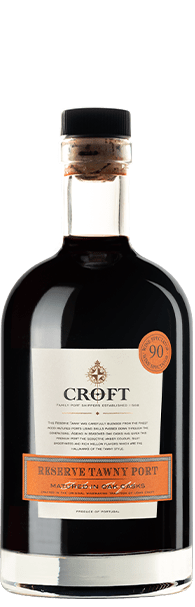
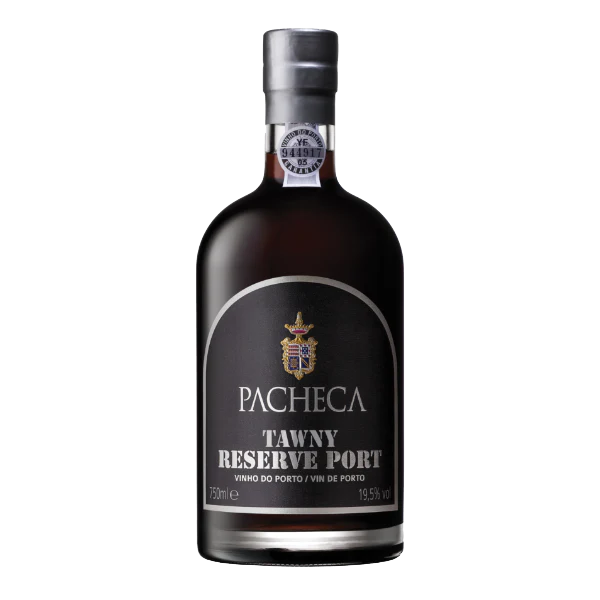
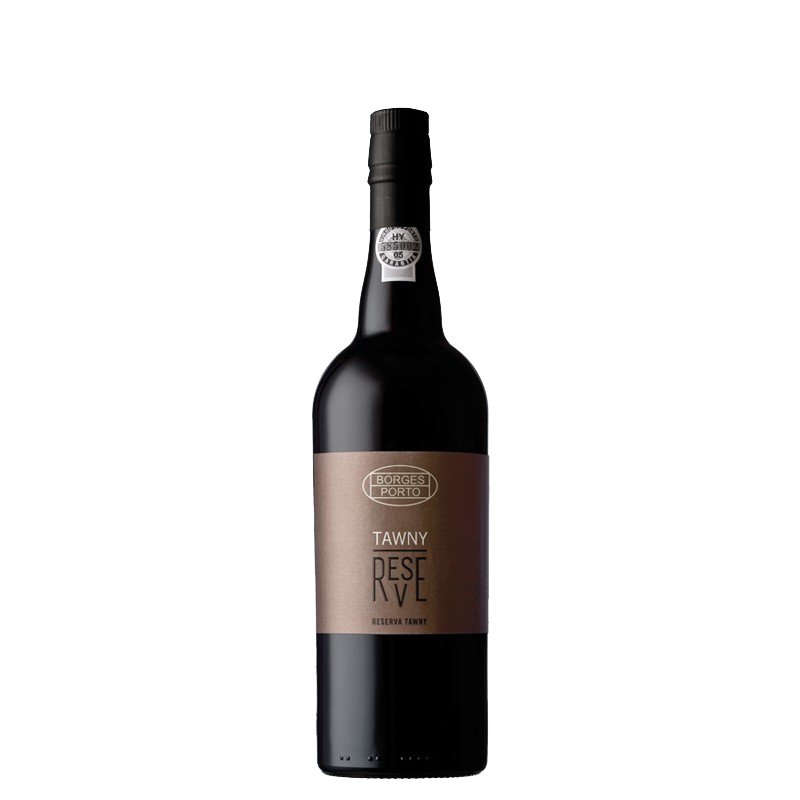
A wine with a higher quality than the standard tawny port.
Tawny Reserve
Tawny Port is an iconic style of Port wine that has graced the cellars and tables of wine enthusiasts for centuries. Rooted in the historic winemaking traditions of the Douro Valley, Tawny Port has evolved over time, with the 19th century heralding the refinement of aging techniques that have come to define its distinctive style.
Defining Characteristics of Tawny Port
Tawny Port is made predominantly from red grape varieties including Touriga Nacional, Touriga Franca, Tinta Roriz, Tinta Barroca, and Tinto Cão. The wine gets its name from its tawny hue, a result of extended aging in oak barrels that allows it to develop a rich amber color and complex nutty flavors.
On the palate, Tawny Port offers a symphony of flavors that unfolds over time. Expect notes of dried fruits, figs, almonds, caramel, and toffee, often with hints of marmalade or even coffee and cocoa in older Tawnies.
Reserve Tawny Ports are made similarly to Ruby Ports, with the fermentation process stopped partway by the addition of neutral grape spirit. This fortification process leaves residual sugar in the wine and boosts the alcohol content, typically to around 19-20% ABV. The sugar content in Tawny Port can range from 80 to 120 grams per liter, depending on the winemaker's style.
The defining characteristic of Reserve Tawny Port, however, is its aging process. While Ruby Ports are aged in large containers to retain their fruity character, reserve tawnies are aged in small oak barrels, for over 7 years before bottling which allows for more interaction with the air, causing slow oxidation and evaporation over many years, and in some cases, decades.
This long maturation process imparts a tawny color and complex flavors to the wine and allows the development of a smooth and silky texture that is a hallmark of aged Reserve Tawny Port.
Pruning Methods and Viticulture
Vineyards in the Douro Valley are carefully managed to optimize grape quality for Port production. Pruning is a crucial aspect of vineyard management and can involve traditional cane or spur pruning, depending on the vineyard's microclimate, vine age, and layout.
-
Reserve Tawny Port boasts a unique and attractive color that speaks volumes about its aging process. Its hue falls somewhere between a radiant amber and a rich russet. This is a result of the extended maturation period in oak casks, during which the wine's deep red color gradually fades and takes on a more golden-brown tint. As light refracts through the wine, it brings to life a mesmerizing array of tones from deep gold to reddish-brown. The color's depth and intensity are indicative of the wine's age and quality. The clarity is exceptional, and a swirl in the glass leaves behind a slow, glycerin-like 'tear' or 'leg' that slowly descends the inner surface, hinting at the wine's richness and sweetness.
-
A Reserve Tawny Port is a wine of full body and richness. It offers a bouquet of dried fruits, caramel, honey, and nuts, complimented by a palate that's delicately balanced between sweetness and acidity. Its finish is typically long, allowing the complex flavors to linger in the mouth. Being fairly young, this wine can still show hints of fruits, such as dark fruits and spices
-
Touriga Nacional, Touriga Franca, Tinta Roriz, Tinta Barroca, and Tinto Cão.
-
The Reserve Tawny Port is an incredibly versatile wine when it comes to food pairing. this younger tawnies is delicious with caramel desserts, milk chocolates, and creamy cheeses.. Tawny Port is also often enjoyed on its own, savored slowly at the end of a meal.
-
19-21%
-
Unlike Vintage Port, Tawny Port is filtered and fined before bottling, which means there's no sediment. You can store it upright without any negative effects. Keeping it upright also minimizes the surface area exposed to air in a partially consumed bottle, slowing down the oxidation process.
The ideal storage temperature for Tawny Port is between 55°F and 68°F (13°C - 20°C). It's essential to avoid drastic temperature fluctuations, which could spoil the wine.
Keep your Tawny Port in a dark place, as light, particularly sunlight, can degrade the wine over time. Also, avoid storing the wine in areas with high vibration, as this can disturb the aging process.
After Opening: Once opened, a 10-year-old Tawny Port will last for several weeks, even up to a couple of months, due to its aging process. It should be stored in the fridge after opening to maintain its quality. Be sure to reseal the bottle tightly after each use.

Discover The Douro Valley & Porto with these perfect getaways