
Pink Port wine
The youngest and most playful style from the Douro Valley, born in 2008
🌸 Pink Port: A Modern Twist on a Douro Classic
Pink Port, also known as Rosé Port, is a fortified wine from Portugal's Douro Valley made from red grape varieties including Touriga Nacional, Touriga Franca, and Tinta Roriz. What gives it its distinctive pink color is minimal skin contact during fermentation — typically 12 to 24 hours — after which fermentation is stopped with neutral grape spirit, raising alcohol to 19 to 20 percent ABV and preserving natural sweetness of around 80 to 100 grams per liter. The style was created by winemaker David Guimaraens for Croft, launched in 2008, and has since been adopted by over 40 producers across the Douro.
Bright in color, expressive on the nose, and effortlessly drinkable, Pink Port is perfect for anyone looking to explore Port in a lighter, more playful way.
PRO TIP- Read our article about the top 30 Pink Port Brands
🍷 What Is Pink Port?
Pink Port is made from the same red grape varieties traditionally used in Ruby and Tawny Ports — such as Touriga Nacional, Touriga Franca, Tinta Roriz, and Tinta Barroca. What makes it different is the way it’s made.
The grapes undergo minimal skin contact during fermentation (just 12–24 hours), much like a rosé wine. This limited contact gives Pink Port its delicate pink hue, rather than the deep reds of classic styles.
Once the color and flavor profile are just right, fermentation is halted with a neutral grape spirit, preserving natural sugars and raising the alcohol content to around 19–20% ABV.
🕒 Maceration (Laceration) Time
Very short: 12 to 24 hours of skin contact.
This is similar to rosé wine production — just enough time to extract a light pink color, a touch of tannin, and fruity aromas, without the depth of tannin and color found in Ruby or Vintage Port.
The goal is to retain fresh red berry fruit notes like strawberry and raspberry, while keeping the texture soft and elegant.
🧪 Fermentation
Fermentation is conducted at low temperatures (around 16–18°C) to preserve fresh fruit aromas.
It is stopped early by the addition of aguardente (grape spirit), just like all other port styles, resulting in:
Alcohol content: typically around 19–20% ABV
Residual sugar: usually 80–100 g/L
🧁 Flavor Profile of Pink Port
Pink Port is all about freshness and fruit. Expect a lively bouquet of:
🍓 Strawberry
🍒 Ripe cherry
🍇 Raspberry
🌸 Hints of rose petals or orange blossom
The palate is sweet, but balanced by vibrant acidity, making it an ideal aperitif or cocktail base.
📌 Typical sugar content: 80–100 g/L — similar to Ruby Port in sweetness.
🍽️ How to Serve and Enjoy Pink Port
Pink Port is incredibly versatile:
🧊 Serve It:
Chilled, in a white wine glass
Over ice with a slice of orange or mint
As a base for refreshing summer cocktails
🍸 Try It In:
Pink & Tonic: Pink Port + tonic water + fresh berries
Rosé Spritz: Pink Port + prosecco + soda + grapefruit
Strawberry Fizz: Pink Port + lemon juice + soda + muddled fruit
🔗 Explore our Port Cocktail Recipes
🧀 Pair It With:
Goat cheese or young creamy cheeses
Fruit desserts, berry tarts, or pavlova
Light Asian dishes with a touch of spice
🌿 Viticulture & Vineyard Practices
Like all Port wines, Pink Port is rooted in the steep terraces of the Douro Valley, where schist soils, intense sun, and cool nights create the perfect microclimate for ripening grapes.
The white and red grape varieties used for Pink Port are farmed with precision:
Careful pruning helps balance sugar and acidity
Early picking preserves freshness
Minimal maceration ensures the wine stays light and floral
✨ Why Pink Port Is Worth Discovering
Pink Port may be the newest style on the Port spectrum, but it’s no gimmick. It offers:
A playful alternative to heavier Ports
A flexible drink for cocktails, aperitifs, or dessert
An accessible introduction to fortified wines
Whether you’re already a Port lover or just dipping your toe into the world of wine, Pink Port is a refreshing and exciting style worth exploring.
Want to learn more about other Port styles?
🔗 Explore All Port Types
🔗 How to Store Port Properly
-
The Pink port wine, or Rose Port, has a beautifully balanced Rose color and has a vibrant, summer-like look that adds to the experience of drinking this fruity, raspberry like wine.
-
Well known for it’s young but full bodied flavor. This Portwine is easily recognized by it’s black fruits and red fruits notes
-
Touriga Nacional, Touriga Franca, Tinta Roriz, and Tinta Barroca
-
The versatility of Pink Port makes it an excellent pairing for a wide variety of foods. Its vibrant fruit flavors complement dishes with a similar fruity profile, such as fresh summer salads, light desserts, and even spicy Asian cuisine. Pink Port is also the perfect foundation for a range of Port cocktails, adding a delightful depth of flavor and sweetness.
-
19-21%
-
Pink port wines should be stored in the fridge as they should be drank cold at around 8-10 degrees Celcius. For storage we advise to keep dark and in a fixed temperature around 12 degrees.

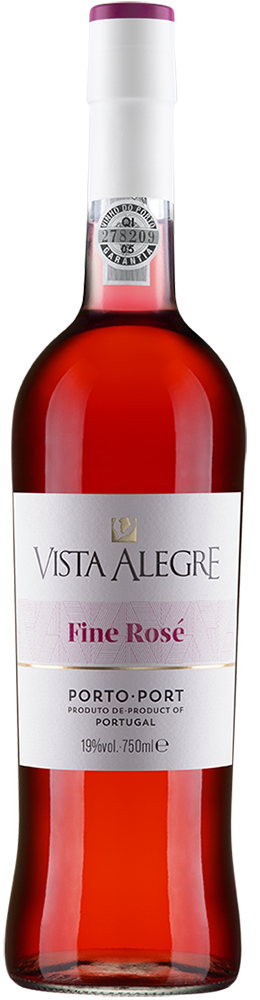
The Complete list of Pink Rose Portwines
Not every brand and producer are marketing a pink or rose port. We’ve created an easy up-2-date list for you to find what brands have created and produced a rose/pink port wine.
Royal Oporto Pink Port also considered to be the best Pink port
Quinta do Grifo
Caves Vale do rodo Pink Port
Don Pablo Pink Port (By Granvinhos)




FAQ - Frequently Asked Questions Pink Port Wine
-
What is Pink Port?
Pink Port, also known as Rosé Port, is a fortified wine from Portugal's Douro Valley made from red grapes with minimal skin contact of 12 to 24 hours. This gives it a pink color and fresh berry character rather than the deep red of Ruby Port. Fermentation is stopped with grape spirit, leaving natural sweetness and raising alcohol to around 19 to 20 percent.
-
When was Pink Port invented?
Pink Port was created by winemaker David Guimaraens for Croft and launched on Valentine's Day 2008 in the United States. It was the first Rosé Port ever produced. The IVDP initially classified it as Light Ruby before the Rosé Port category was formally established.
-
What does Pink Port taste like?
Pink Port is fresh and fruit-forward, with aromas of strawberry, raspberry, ripe cherry, and hints of rose petals or orange blossom. The palate is sweet but balanced by vibrant acidity, making it lighter and more refreshing than Ruby or Tawny.
-
How do you serve Pink Port?
Serve Pink Port chilled at 8 to 10°C in a white wine glass or over ice. It is most commonly enjoyed as an aperitif on its own, over ice with a slice of orange, or as a base for cocktails like Pink and Tonic or a Rosé Spritz.
-
How long does Pink Port last after opening?
Pink Port keeps for 4 to 6 weeks after opening when refrigerated and resealed. Because it is not aged and relies on fresh fruit character, it is best consumed sooner rather than later once opened.
-
What are the best Pink Port brands?
Over 40 producers make Pink Port. The most widely recognized are Croft (the original), Sandeman, Calem, Royal Oporto, Quevedo, and Dow's. Your full list of 40 brands on this page is the most comprehensive available online.