
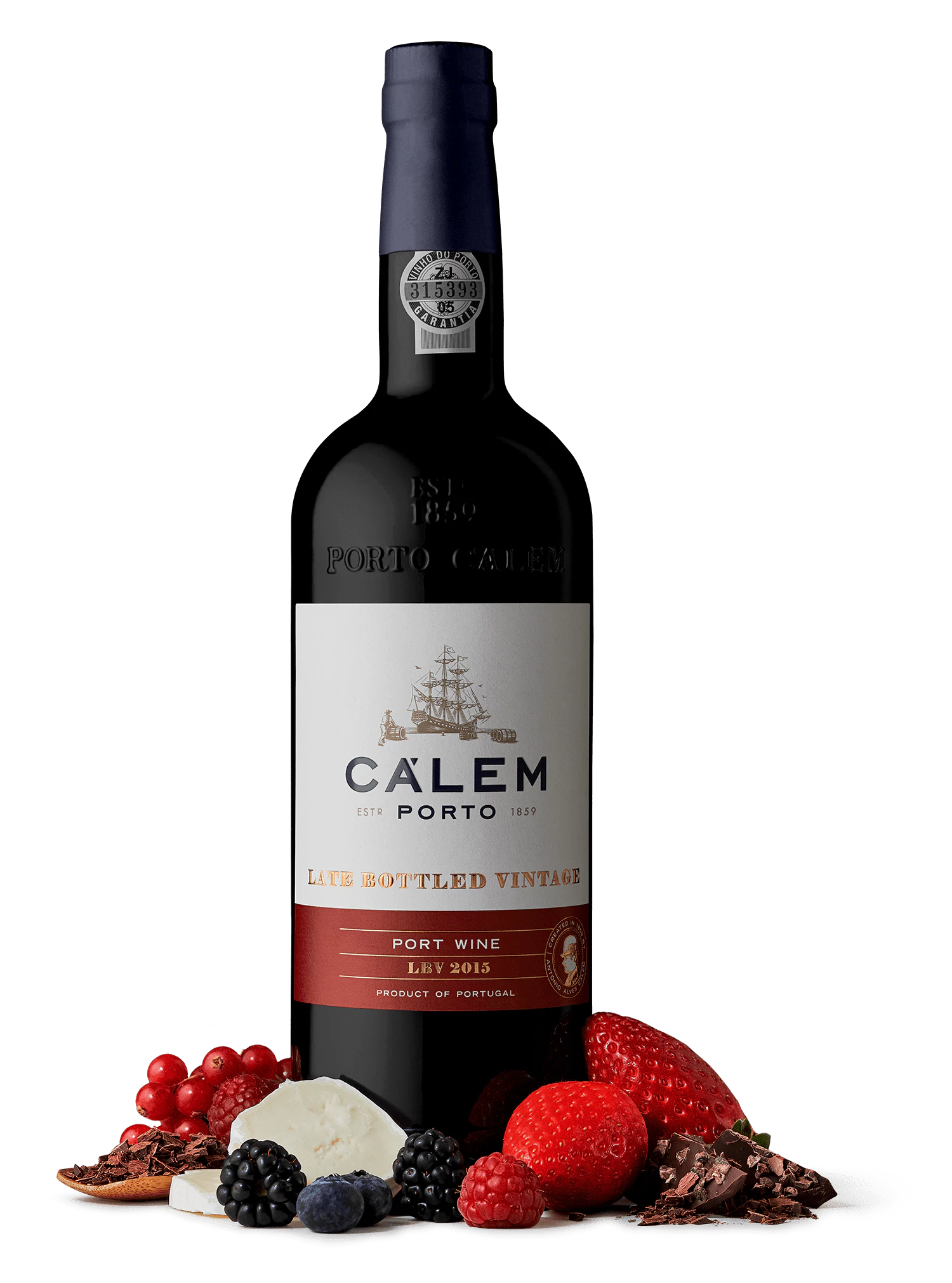
LBV- Late bottled Vintage Port Wine
Port LBV and its meaning: Available in both Filtered and Unfiltered, Late Bottled Vintage Port’s are considered amongst the best Value-for-money Port Wines.
🍷 Late Bottled Vintage Port: The Best of Both Worlds
Late Bottled Vintage Port — or LBV — is the perfect middle ground between the youthful vibrancy of Ruby Port and the complexity of Vintage Port. Crafted from a single harvest but aged longer before bottling, LBV offers richness, depth, and approachability at a more accessible price point.
And within this category, there’s a subtle but important split: Filtered vs. Unfiltered LBV. Each has its own charm — and knowing the difference helps you choose the bottle that matches your taste and intentions.
📜 What Is Late Bottled Vintage Port?
LBV was introduced in the 1960s as an answer to a common dilemma: many Port lovers wanted the quality of Vintage Port without the wait or premium price tag. LBV solved that by aging longer in wooden vats (typically 4–6 years) before bottling.
This extra time in cask softens the tannins and helps develop a fuller, smoother profile — so that when it’s finally bottled, it’s ready to drink.
🔗 Learn more about Vintage Port vs. LBV
🧪 Filtered LBV: Smooth, Stable, Ready to Pour
Filtered LBV is the most widely available style. After aging in wood, it’s fined and filtered to remove sediment before bottling. This makes the wine:
Stable in bottle (no further aging needed)
Sediment-free, meaning no decanting required
Smooth and fruit-forward, with rich dark berry flavors, a soft mouthfeel, and hints of spice or chocolate
Filtered LBVs typically come with a T-style stopper cork and are perfect for casual sipping or gifting.
🧊 Once opened, filtered LBV keeps well for 2–3 weeks if stored upright and sealed.
🔗 How to Store Port Wine
🕯️ Unfiltered LBV: For the Curious Collector
Unfiltered LBV Port is less common, but a favorite among serious Port drinkers. It is bottled without filtration, which means it retains:
Natural sediment (like Vintage Port)
Potential for bottle aging — over 5 to 10+ years
Greater structure and complexity over time
Unfiltered LBVs usually have a driven cork and must be decanted before serving. While enjoyable when young, they can evolve beautifully in bottle, revealing layers of spice, dried fruit, and earthy depth.
➡️ Ideal for those who enjoy the ritual of wine and are curious to see how a wine matures.
🍽️ Food Pairing & Serving Tips
Whether filtered or unfiltered, LBV pairs wonderfully with:
Aged cheeses (especially Stilton or São Jorge)
Dark chocolate and chocolate-based desserts
Roasted nuts and dried fruit
Slow-cooked meats and winter stews
Serve LBV slightly below room temperature (around 16–18°C) in a generous wine glass to release its full aromatic profile.
🧾 Which LBV Is Right for You?
✨ Final Thoughts
Late Bottled Vintage Port is a gateway to the elegance of single-year Port without the formality of Vintage. Whether you prefer the polish of filtered LBV or the evolving mystery of unfiltered LBV, both deliver serious depth and value — and each reflects the soul of a single Douro harvest.
🔗 Explore More Port Styles
🔗 Port Wine Cocktails
🎁Bonus Tip!
LBV’s - Late Bottles Vintage Port, don’t age on the bottle. So whether you’re buying an old LBV or a brand new recent LBV, the aging potential is all the same. BUT! Buying an LBV from a classical vintage year, will increase both it’s value over time as well as it’s power and balance.
| You want... | Go for... |
|---|---|
| Easy sipping, no decanting | Filtered LBV |
| Wine you can age & decant like Vintage | Unfiltered LBV |
| A gift-friendly Port with broad appeal | Filtered LBV |
| Complex evolution & structure | Unfiltered LBV |
-
The color of the LBV wines are always ruby like.
-
LBV shows concentrated dark fruit -blackberry, plum, dark cherry - with notes of dark chocolate, spice, and soft tannins. Filtered LBV is smooth and immediately approachable. Unfiltered LBV has more structure and grip, with the potential to develop dried fruit and earthy depth over time in bottle.
-
LBV Port is made from the same red varieties as Vintage Port: Touriga Nacional, Touriga Franca, Tinta Roriz, Tinta Barroca, and Tinto Cão, grown in the Douro Valley.
-
LBV’s are perfect for chocolate deserts and pastries.
-
19-21%
-
As LBV’s don’t have the ability to grow in complexity or style, we recommend to store LBV’s in a dark and cold place, up to max 12 degrees. After opening an LBV is good for another 2 max 3 weeks.




FAQ - Frequently Asked Questions Late Bottled Vintage Port Wine
-
What is LBV Port?
LBV stands for Late Bottled Vintage. It is a single-vintage Port aged in oak barrels for 4 to 6 years before bottling, making it ready to drink on release. It delivers vintage-style depth and complexity at a fraction of the price of true Vintage Port.
-
What is the difference between filtered and unfiltered LBV?
Filtered LBV is fined and filtered before bottling, removing sediment and making it stable, smooth, and ready to pour without decanting. Unfiltered LBV retains natural sediment, requires decanting, and can develop further complexity in bottle over 5 to 10 years. Unfiltered bottles usually have a driven cork rather than a T-stopper.
-
What is the difference between LBV and Vintage Port?
Vintage Port is bottled after just 2 years in barrel and is designed to age in bottle for decades. LBV spends 4 to 6 years in barrel, is bottled ready to drink, and is produced most years rather than only in declared exceptional vintages. LBV is significantly more affordable and doesn't require long cellaring
-
How long does LBV Port last after opening?
Filtered LBV keeps for 2 to 3 weeks after opening when refrigerated and resealed. Unfiltered LBV is more delicate once opened and is best consumed within a few days to a week.
-
Does LBV age in bottle?
Filtered LBV does not improve significantly with bottle age and is best drunk within 5 to 10 years of bottling. Unfiltered LBV can develop positively in bottle for 5 to 10 or more years, gaining complexity and a vintage-like character
-
What food pairs with LBV Port?
LBV pairs best with aged cheeses such as Stilton, São Jorge, or aged cheddar, dark chocolate desserts, slow-cooked meats, roasted nuts, and dried fruit. The structured tannins in unfiltered LBV also make it a natural match with duck or venison
-
Which LBV Port is best?
Consistently praised LBV bottles include Taylor Fladgate LBV for the benchmark filtered style, Niepoort LBV for unfiltered complexity, Fonseca Unfiltered LBV, Warre's LBV, and Ramos Pinto LBV for excellent value.